
 chat with us
Choosing between Invisalign and braces is something many people think about when they want straighter teeth. Both options can help improve alignment and fix bite issues, but they work in different ways. You may feel confused at first because each option has its own benefits and limits.
If you are in Riyadh and looking for a simple option that fits your daily life, you may have already seen choices like Invisalign in Riyadh. This option is often discussed because it is removable and less visible. Still, it may not be right for everyone.
Before you decide, it helps to understand how both treatments work in real life. Your comfort, routine, and dental condition all matter. Some people prefer something they can remove when eating, while others prefer a fixed system that works all the time. This guide will help you see the difference in a simple way so you can make a clearer choice.
Key factors that help you choose between Invisalign and braces
Here are the main points to consider before starting treatment.
How Invisalign and braces move your teeth
Invisalign uses clear trays that are made to fit your teeth. These trays apply gentle pressure and move your teeth step by step. You change the trays every 1 or 2 weeks, depending on your treatment plan.
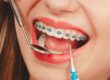
Braces use brackets attached to your teeth, with wires connecting them. The orthodontist adjusts the wires during visits to guide the teeth into the correct position.
Both methods are effective, but they work in different ways. Invisalign gives you flexibility, while braces provide constant pressure without removal.
How they look when you wear them
Invisalign is clear, so most people will not notice it when you talk or smile. This is one reason many adults and teenagers prefer it.
Braces are more visible because of metal or ceramic parts. Even though there are less noticeable options, they are still easier to see than aligners.
Your comfort with appearance can affect your confidence during treatment, so it is an important point to consider.
Comfort during daily use
Invisalign feels smooth because there are no wires or sharp parts. This can reduce irritation inside your mouth.
Braces may feel tight or sore at the beginning. Your mouth usually adjusts after some time, but small discomfort can return after adjustments.
Comfort is different for each person, so it is important to think about your daily routine.
Eating and cleaning your teeth
Invisalign can be removed while eating. This means you can eat most foods without worry. It also makes brushing and flossing easier.
With braces, food can get stuck around brackets and wires. You may need more time to clean your teeth properly after meals.
Good cleaning habits are important for both options to avoid dental problems during treatment.
Treatment needs and dental condition
Invisalign works well for mild to moderate alignment problems like small gaps or light crowding. It may not be suitable for complex cases.
Braces can address more complex dental issues, such as severe crowding or bite correction.
If you are comparing options like braces in Riyadh, you will see that fixed braces are often recommended for more detailed movement of teeth. This is because they give the orthodontist more control over each tooth during treatment.
Discipline and daily responsibility
Invisalign needs you to wear the aligners for most of the day. If you forget to wear them, your treatment can slow down.
Braces stay on your teeth all the time, so they do not depend on your daily habits in the same way.
This difference is important if you have a busy schedule or if you think you may forget to wear aligners regularly.
Treatment time and follow-up visits
Treatment time depends on your dental condition, not just the type of device used. Some people finish faster with Invisalign, while others do better with braces.
You will also need regular visits for both options. Invisalign requires checks and new aligners. Braces need adjustments to wires and brackets.
Both paths need commitment until the end of treatment.
Key Takeaways
Invisalign and braces both help improve your smile, but they work in different ways. Invisalign gives you flexibility and a less visible option, while braces give strong control for more complex dental needs. The right choice depends on your teeth, lifestyle, and how consistently you can maintain care.
There is no single answer that fits everyone. What matters most is choosing a treatment that matches your daily routine and dental condition.
With Orthodontist Basel, patients in Riyadh receive guidance tailored to their individual needs. The goal is to help you choose a treatment that is practical, safe, and suitable for long-term results.